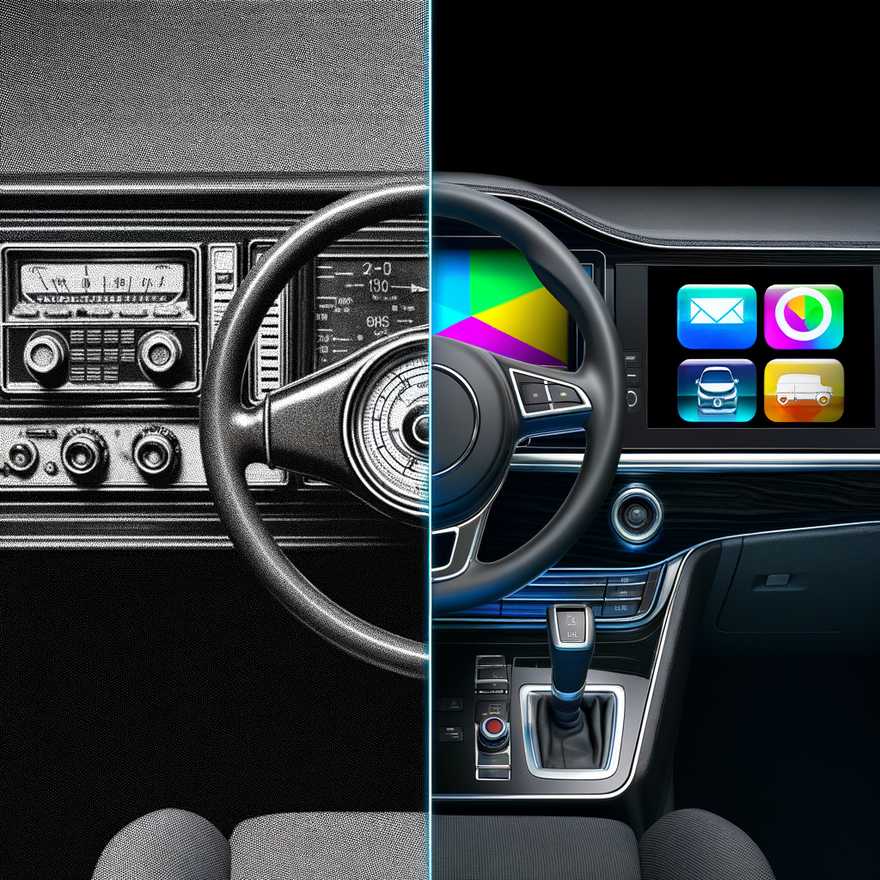
A new car in 2025 is, functionally, a rolling computer with wheels. That reality is less than two decades old. The story of how we got here is a story of radios, cassette players, GPS satellites, smartphone integration and — most recently — large language models.
1930s–1950s: The radio era
Motorola — originally "Motor Ola," a portmanteau of motor and victrola — made commercial car radios practical in the early 1930s. By the 1950s AM radio was standard in nearly every American car and FM was an option on many premium models. For 30 years, the radio was in-car technology.
1960s–1980s: Tape and the beginning of personalization
The 8-track cassette dominated the 1970s before the compact cassette took over in the 1980s. For the first time drivers chose their own music rather than what a radio station happened to be playing — the beginning of in-car personalization.
1990s: CDs, trip computers, early navigation
The compact disc arrived in cars in the mid-1980s on high-end German sedans and became standard across the industry through the 1990s. Trip computers measuring fuel economy and range appeared on premium cars. GPS navigation — first offered by Mazda and Toyota in the Japanese market in 1990 — became widely available by the end of the decade.
2000s: iPod era
The iPod — released in 2001 — did more to kill the car CD player than any factory technology. By 2005 nearly every automaker had an auxiliary input, and by 2008 Bluetooth streaming was becoming standard. For the first time, the device drove the integration, not the car.
2010s: Smartphone takeover
Apple CarPlay (2014) and Android Auto (2015) marked the moment where carmakers conceded that their own infotainment systems were a losing battle. The smartphone became the car's primary computing device and the dashboard became a bigger, better display for it.
2020s: AI and large screens
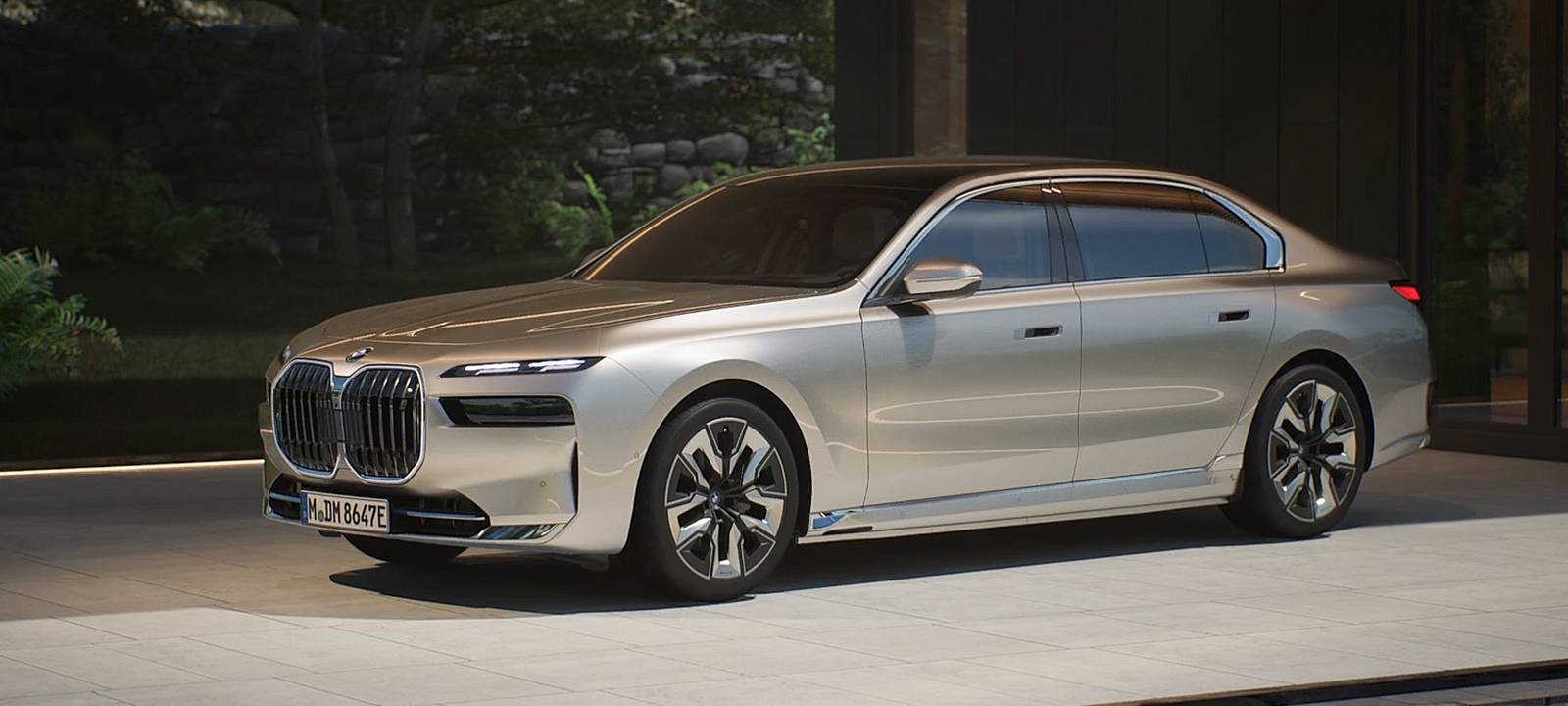
Modern cars increasingly ship with voice assistants built on large language models — Mercedes with ChatGPT integration via MBUX, BMW with the new iDrive 9 personal assistant, GM with its upcoming Google-powered systems. Screens have grown — the Mercedes Hyperscreen spans the entire dash — and physical controls have shrunk.
What hasn't changed is the fundamental question that drives every one of these transitions: how do you give the driver the information they need, when they need it, without taking their attention off the road? The answers keep evolving. The question doesn't.