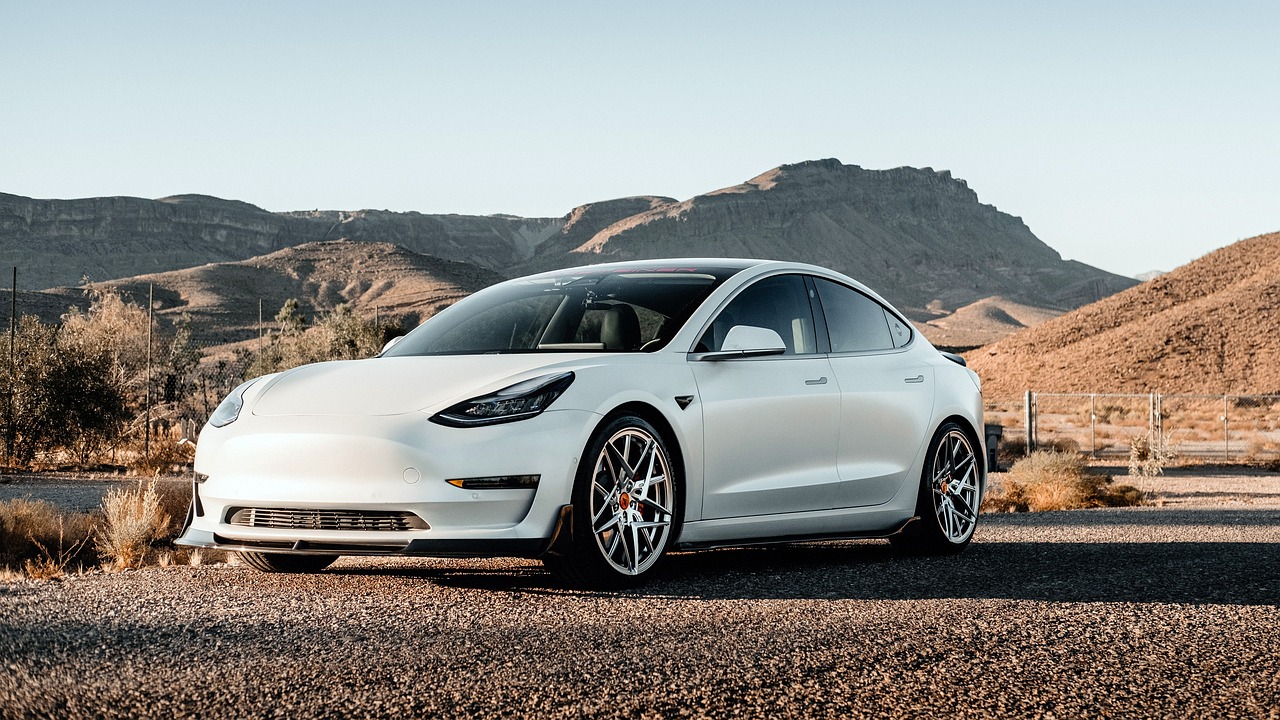
Every year brings new credible electric SUVs — the Hyundai Ioniq 5, Kia EV6, Ford Mustang Mach-E, Volkswagen ID.4, Chevrolet Blazer EV. And every year, the Tesla Model Y keeps outselling the entire field combined in most major markets. That isn't a marketing fluke.
The charging network advantage
Access to the Tesla Supercharger network is now opening up to other EV brands, but in practice the Supercharger experience remains the gold standard — reliable, well-mapped, consistently fast and tightly integrated with the car's navigation. For long-distance EV ownership this is still the single biggest reason buyers choose the Model Y.
Efficiency
The Model Y Long Range achieves 310 miles of EPA range from a battery smaller than most rivals use for less. Efficiency is Tesla's quiet superpower: better aerodynamics, better thermal management, better motor efficiency. In the real world that means fewer charging stops on a road trip, regardless of what the badge says.
Software
Love it or hate it, Tesla's software model — frequent over-the-air updates, in-car gaming, deep smartphone integration — is still ahead of the industry on average. Features actively improve months and years after purchase. Most competitors are catching up here but none are ahead.
Where rivals win
Interior build quality: the Hyundai Ioniq 5 and Kia EV6 are more consistently assembled, with better physical switchgear. Design: the Mustang Mach-E has more road presence. Towing: the Ford F-150 Lightning and Rivian R1S are in a different league. Value: a loaded Model Y is no longer the obvious bargain it once was.
The verdict
If you want the most practical, best-charging, longest-range electric SUV with the smallest number of trade-offs, the Model Y is still the default answer. The field is finally close enough that the right choice depends on priorities. But "close" is not "ahead," and the Model Y continues to earn its lead.